Giving someone with dementia proper care involves more than just understanding the diagnosis. Caregivers need to learn how to communicate in a respectful way, how to deal with changing needs, how to handle difficult situations, and how to keep up meaningful relationships while acknowledging the individuality and dignity of the person they are looking after.
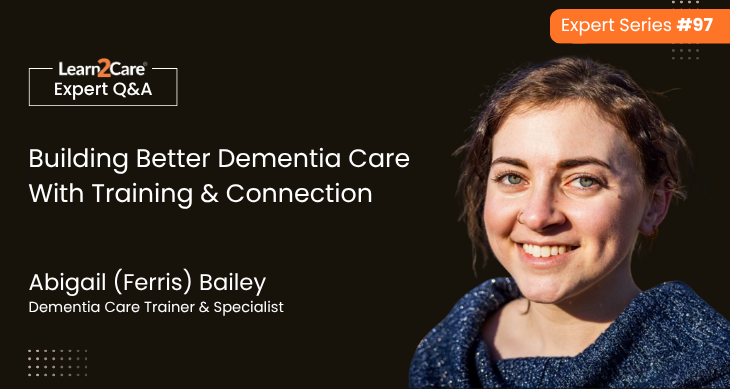
Abigail (Ferris) Bailey, who holds the qualifications of Psy.M, CPASRM, CDP, and CADDCT, is a Dementia Care Trainer and Specialist and is concerned with enabling caregivers and senior care organizations to turn dementia education into practical and compassionate care. Based on her experience in geriatric psychology, inpatient psychiatric care, memory care, education, and support for caregivers, she stresses how important it is to prepare front-line teams for the realities they face each day.
In this exchange, Abigail gives her view of the shortcomings in training for caregivers of people with dementia, how to build better connections, how to deal with difficult situations, and how to create training that is effective in real-world care settings.
Keep reading to discover her insights.
Training staff to walk the line between treating a resident like a child vs. like an adult with impairment is a very nuanced topic. Many staff- who mean well and have great intentions- can lump both groups in together as though they need the same care. While some of the needs are similar, the way we speak and interact needs to be altered. There’s also a gap in patience, which I think is often tied to staffing in general. When staff need to move quickly or have heavy assignment loads, frustration with the common challenges of dementia can rise much quicker.
Training helps us understand the reasons behind some of the things we see on a regular basis. When we can understand why a person acts the way they do, it helps prepare us with compassion and potential solutions, as opposed to impatience or indifference. When we are given all the tools we need to provide high-quality care, we often find ourselves more patient, more relaxed, and more approachable.
– Abigail (Ferris) Bailey, Psy.M, CPASRM, CDP, CADDCT | Dementia Care Trainer & Specialist
Caregivers should utilize assistive devices as much as possible. We know dementia will not improve, but there are many tools to make the journey easier for both our loved ones and caregivers. Providing slanted bowls or cups, weighted silverware, divided plates, and dignified clothing covers can make mealtimes easier. Using gait belts or transfer boards can help us with movement. However, the most practical strategy is practicing self-care and acceptance; we will have bad days, and that doesn’t necessarily mean anyone did anything wrong; it just means we are weathering the storm together.
When training happens in real time, it’s most helpful. If a resident responds better to one caregiver than another, that caregiver should lead the charge in sharing what works for them. When training happens in a vacuum, with no residents present, the education can fall flat when not seen in use or practicality. Ongoing and consistent training from both peers and upper management can foster an environment of honesty and open communication, which is essential for growth.
Be patient with yourself! Be patient with your loved ones. There will be times when you did everything right and still did not succeed, and that doesn’t indicate that you are not cut out for or capable of doing your best. This process is ongoing, and we will get better as we learn.
As Abigail pointed out, effective dementia care training involves more than just imparting information; it is about enabling caregivers to understand the individual behind the diagnosis and providing frontline teams with practical tools that they can use in daily care.

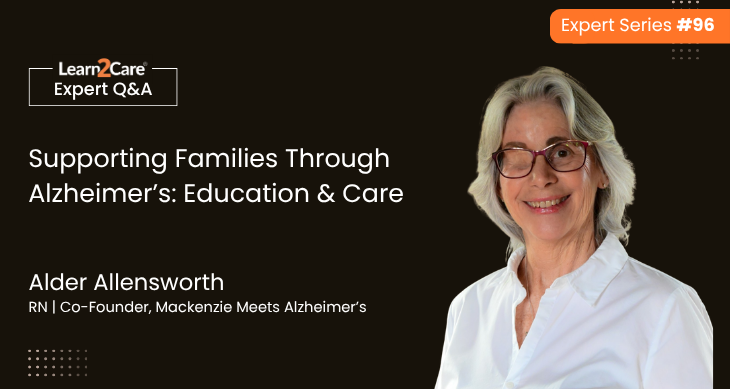
Alder Allensworth is a Registered Nurse and Co-Founder of Mackenzie Meets Alzheimer’s. Alongside Brenda Freed, she created the Mackenzie Meets Alzheimer’s Awareness Program (MMAAP), a multimedia educational toolkit that helps children and families better understand Alzheimer’s disease, navigate its different stages, and maintain meaningful relationships with loved ones living with dementia through practical guidance, videos, music, and accessible learning resources.
Discover further wisdom from industry experts by exploring our curated collection of knowledge.