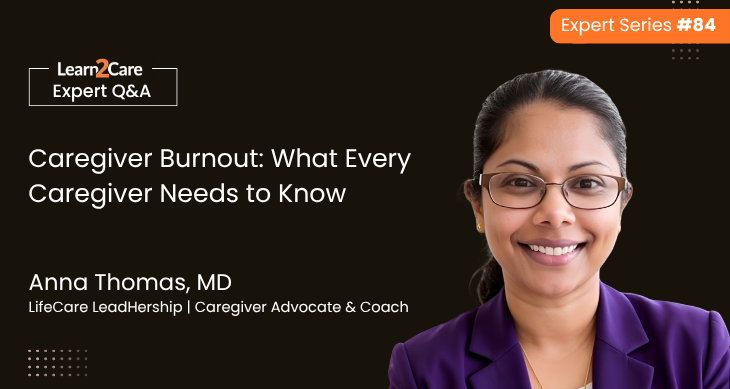
Many people are working full-time and caring for a loved one at the same time. It is a lot to carry. Dr. Anna Thomas, MD, is a physician and workplace wellbeing speaker who helps people and organizations deal with burnout, caregiving, and building strong teams. She has given two TEDx talks and works with companies, hospitals, schools, and nonprofits.
Dr. Anna helps leaders and employees find real, practical ways to stay well at work, even when life gets hard.
Keep reading to learn what she has to say.
Caregivers burn out fast because they are not just adding one new job. They are piling many hard roles on top of each other. Many are working full-time, taking care of their own families, and also helping a loved one with medical needs, feelings, and daily tasks.
What makes it even harder is that caregiving does not follow a schedule. A crisis can happen at any time. There is no clear plan and no way to turn it off. At the same time, most jobs are still built around the idea that workers have very little going on outside of work.
So people try to keep doing everything, at work and at home, with no extra help. Over time, the gap between what is needed and what is possible leads to being completely worn out.
Burnout does not show up all at once. It builds slowly, and the early signs are easy to brush off.
Many caregivers feel tired all the time, even after sleeping. They may feel more easily upset, emotionally flat, or overwhelmed by things that used to feel simple. Trouble sleeping, having a hard time focusing, and forgetting things more often are also common.
Another sign is feeling cut off, from work, from people they love, or even from themselves. Caregivers may start to feel like they are just going through the motions each day.
These early signs are not a personal failure. They are signals that the load has become too heavy for one person to carry.
The first step is knowing the problem is real. Many caregivers do not talk about it at work. So leaders often do not know how many of their workers are affected.
After that, workplaces need to do more than offer basic help. Flexible schedules, patience when things come up without warning, and teaching managers how to handle caregiving situations can make a big difference.
Workplaces can also offer things like caregiver support programs, helpful information, or links to outside services. But how the workplace feels matters just as much. Workers need to feel safe asking for help without fear of looking like they do not care about their job.
Helping caregivers is not just the right thing to do. It also helps keep good workers and helps them do their best work.
One of the biggest changes a caregiver can make is to stop trying to do it all alone and start thinking like a care leader. Many caregivers feel they have to handle everything by themselves and do it all perfectly. No one can keep that up for long.
A strong care leader pauses to see the bigger picture, then sets a clear direction with the right support and limits in place. This allows caregivers to stay focused on key tasks and reassures them that help is always available.
Balancing care and work is not about being perfect at both at the same time. It is about getting yourself through a hard time in life with a clear head, a simple plan, and good people around you.
Staying strong does not mean doing more. It means making small, smart changes that help save your energy. One of the best things to do is figure out what truly needs your attention right now. Not everything is urgent, even when it feels that way. Taking a few minutes each day to identify what truly needs attention can reduce overwhelm.
I think another good step is building micro-support systems. This could mean asking a family member to take one task off your plate, planning schedules with others, or using tools that make daily life a little lighter.
Taking small breaks during the day also helps a lot. Even a short pause can bring your stress down and help you think more clearly.
As Dr. Anna shared, working caregivers carry more than most people know. Burnout builds up slowly, but it can be caught early with the right help. Here are the most important things to remember:
Caregivers do not have to do everything by themselves. With the right mindset, small daily steps, and good support around them, they can take care of others without losing themselves.

Anna Thomas, MD Physician | Workplace Wellbeing Keynote Speaker | 2x TEDx Speaker | Burnout, Caregiving, Resilience and Employee Retention
Dr. Anna Thomas is a physician and workplace wellbeing speaker with a focus on burnout, caregiving, and building strong, healthy teams. She has spoken at two TEDx events and works with companies, hospitals, schools, and nonprofits. Dr. Anna helps leaders and workers find real ways to stay well and perform at their best, even during hard and changing times.
Discover further wisdom from industry experts by exploring our curated collection of knowledge.