

A leader in home care is not born with ambitions. Leaders lead with a sense of responsibility. When a person understands that lives are counting on their decisions every day, a leader emerges.
Home care leaders did not set out to become leaders of home care agencies. They began this journey with the intent to become caregivers, clinicians, therapists, and compliance experts, or family members doing the right thing to care for someone they know and love. Their leadership style has been shaped by experience, not training.
That experience has proved more important than ever.
The sector is evolving rapidly. Demand is increasing. Agencies are expanding. Families have high expectations. Caregivers are pushed to their limit. Growth in the home care market presents opportunities, though it also means more is riding on home care leadership.
This article breaks down what leadership actually looks like inside home care agencies today, grounded in lived experience, not theory.

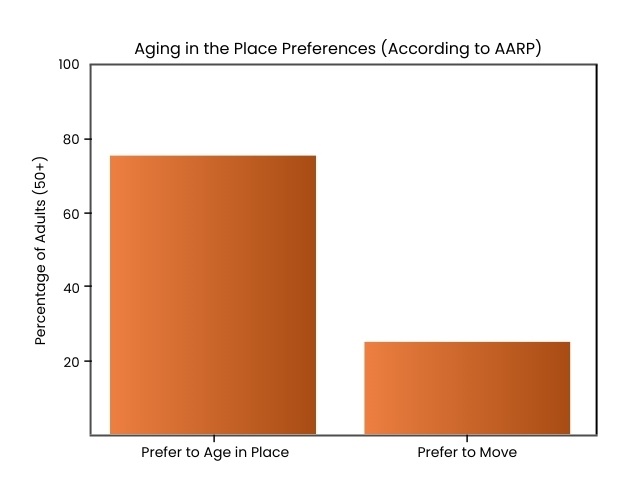
In-home senior care growth is challenging expectations. Older people want to remain in their own homes. They want flexibility. Care agencies see a steady need.
Home care growth makes leadership weaknesses more pronounced. Poor communication leads to faster breakdowns. Poor culture translates to increased employee turnover. Effective leadership emerges as the anchor.
However, growth insists that leaders make choices. The better leaders remain connected to people rather than processes.
Real leadership in home care comes from experience and training. These agency owners share how they build trust, support caregivers, and navigate senior home care growth.

Caregivers are the backbone of any home care agency.
This is something that Hillary Bailey, CEO of Freedom Caregivers and Companions, Inc., learned early on in her career. After working in the corporate side of healthcare, she realized what it was like to be undervalued.
For her, building trust depends on recognizing the agents of the work.
But trust also demands limiting factors. Hillary has shared one of the toughest lessons she had to learn while leading others:
When caregivers were being treated in an unfair manner, Hillary had to make the decision to allow the client to go. It was tough for her, but it taught an important lesson.
Adam Yanofsky, Chief Executive Officer, Wellbound Home Care, adds to this. His background in leadership started on the front lines in caregiving roles at nonprofit group homes. He dealt with everything from medication to medical escorts to basic care before he became an executive.
Recruiting caregivers is now one of the toughest leadership tasks in home care.
In this context, it becomes clear that what is more important than benefits is leadership. Providers remain with the organization if they feel they have been recognized, valued, and understood as human beings.
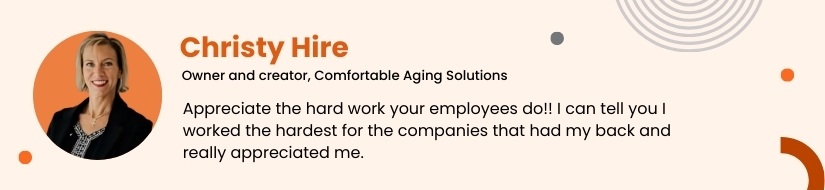
Christy Hire, Owner and creator, Comfortable Aging Solutions, recognized this in the various agencies she has worked in:
Logan Land, Founder and CEO of Logans Generational Care Corporation, echoed this sentiment:

Leadership courses for managers can also be considered a task that must be accomplished. It is where leadership’s values and interests are revealed.
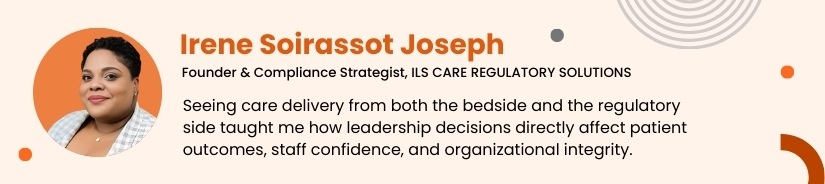
Irene Soirassot Joseph, Founder & Compliance Strategist, ILS Care Regulatory Solutions, understood this at every level of care and experience. She had been a hospice LPN, RN, field nurse, manager, compliance specialist, and Joint Commission surveyor. This influenced her leadership style greatly. As she related,
Adam Yanofsky, Chief Executive Officer, Wellbound Home Care, too, constructed his personal leadership upon preparation.
Home care finds it daunting. There are regulations in play. There are audits. Paperwork never diminishes.
This experience on both the care delivery and regulation gave Irene Soirassot Joseph a good perspective. She continued,
Home care business growth means that everything is different.
As agencies recognize an increase in the growth of their home care businesses, there are decisions that must be made as to what will remain the same.
His experience in all aspects of the system goes all the way from caregiving to consulting to executive leadership, so he has personally witnessed how size can alienate organizations from caregiving.
It is during times of fear that families seek home care. Leadership determines a reaction to times of fear.
Logan Land, Founder and CEO of Logans Generational Care Corporation,began with family, taking care of his grandmother after she received a diagnosis of dementia. He said,
He learned something important from that experience.
Christy Hire, Owner and creator, Comfortable Aging Solutions,bnoticed the impact of leadership on families indirectly via caregivers.
When a company is experiencing growth, it is important to recognize that growth can mean demands for formalization and acceleration of care. Home care rarely has clean systems.
This paradox was described well by Logan Land:
Home care leadership in the development of the home care sector demands experience and the virtue of patience. Leadership demands an ability to choose flexibility instead of the need to create rules. Leadership demands the ability to listen.
Leadership is a necessity within home care. It is the basis for effective care, a stable team, and actual growth.
As the industry faces continued growth and change, home care leadership will be challenged regarding staff shortages, government and industry regulations, growing demand, and the need for better systems such as a caregiver lms to support training and consistency.
These challenges will require leaders who are not necessarily loud and quick but who preserve people, values, and culture.
There is no one way to lead in a home care agency. What matters is how leaders show up. In decisions. In boundaries. In care for others.
This is exactly what keeps the home care sector alive, even as it continues to grow in size.
What is different in leadership in Home Care from other industries?
Leadership in home care is much more about responsibility than ambition. Every decision made has an effect on a person’s real life, day in and day out, and leaders are supposed to juggle care quality, caregivers’ well-being, and family expectations. Success, unlike other industries, relies a lot on trust, empathy, and grassroots experience rather than on just metrics or processes.
What is the role of training in home care leadership?
This is where leadership values are revealed through training. Further than the skill, it teaches caregivers to think critically, improvise in unpredictable situations, and provide calm, rational responses in stressful moments. Comprehensive training prevents burnout, reduces mistakes, and reinforces the organizational culture.
How do leaders pursue growth and scaling in home care agencies?
Growth requires thoughtful decisions: cultural preservation, continued communication, and balancing formal systems with flexibility. Great leaders lead from presence, listen to the voices of caregivers and families, and trust lived experience over rigid process in building trust that care quality will remain consistent as agencies grow.
Related blog –
How to Support Caregivers Like ‘Superstar’ and Not Just a ‘Meh’ Manager
Find your next read and expand your knowledge
Contact us to inquire about our state-wise training courses and take the first step towards upskilling your team with a 14-day free trial!